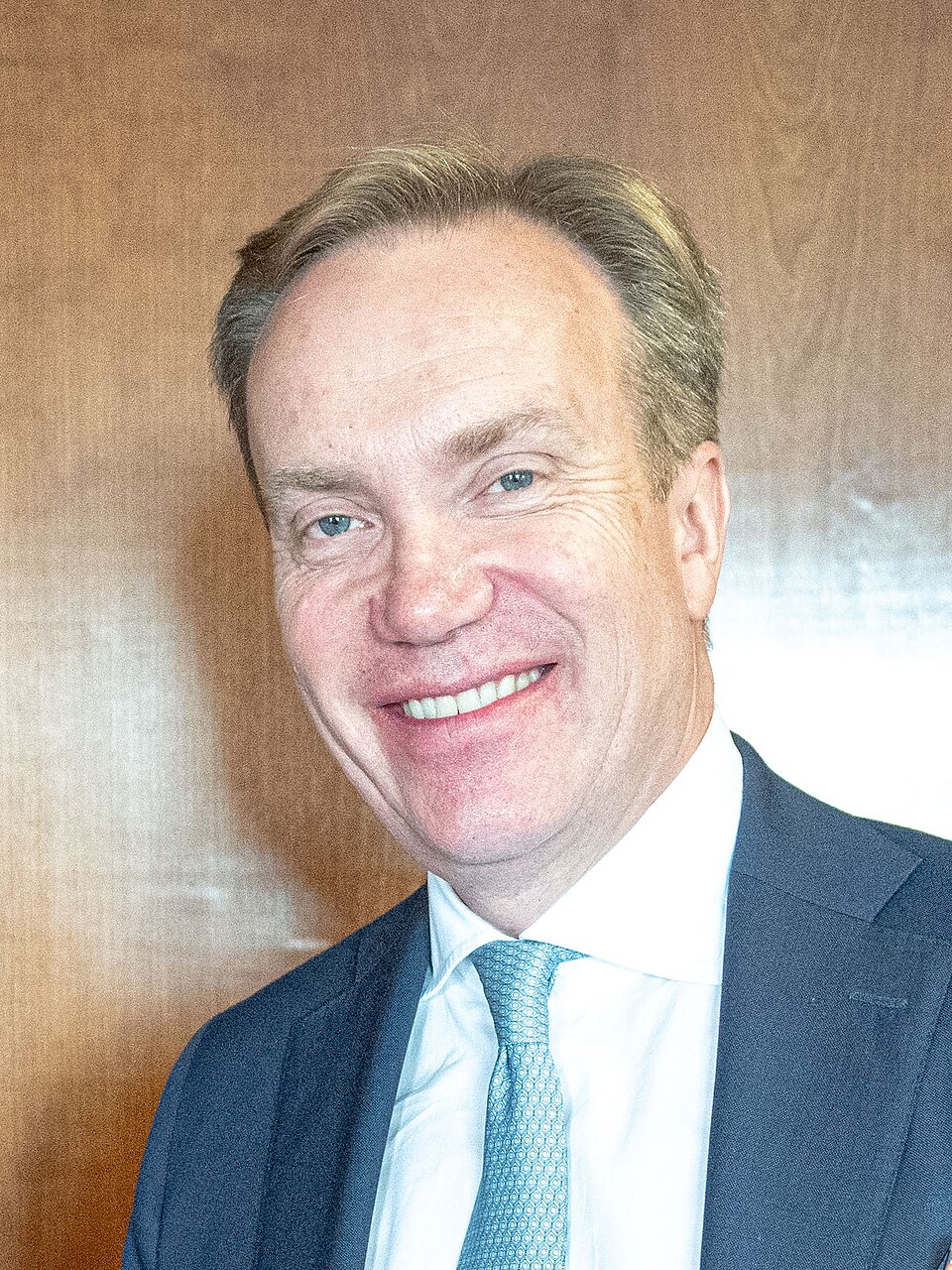
Borge Brende's Strategic Exit: Cleared, Yet Controversy Prevails at WEF
In a significant and somewhat paradoxical move, Borge Brende, the esteemed President of the World Economic Forum (WEF), recently announced his resignation. This departure, which will see Brende leave his role leading the influential Davos gathering, comes after a thorough external investigation cleared him of any wrongdoing concerning his past associations with the convicted sex offender Jeffrey Epstein. Despite a unanimous vote of confidence from the WEF's board, Brende cited the persistent "distraction" created by these lingering questions as a potential impediment to the Forum's vital mission. This démission Brende Davos marks a critical juncture for an organization that convenes global leaders to address the world's most pressing challenges, highlighting the immense weight of public perception, even in the face of exoneration.
Brende, a seasoned Norwegian politician with a distinguished career that includes ministerial roles in his home country and significant international engagements, took the helm of the WEF in October 2017. His tenure was marked by efforts to steer the Forum through complex global dynamics. However, the shadow of the Epstein affair proved too pervasive, leading to a decision that underscores the delicate balance between personal integrity and institutional reputation in today's hyper-connected world.
The Unforeseen Departure: A "Distraction" Too Great for WEF's Mission
Borge Brende's decision to step down from the presidency of the World Economic Forum on a matter where he was officially cleared presents a fascinating case study in organizational leadership and crisis management. In his candid statement, Brende articulated that while the WEF board had unanimously supported his continued leadership, the ongoing media scrutiny and public focus on his past interactions with Jeffrey Epstein threatened to overshadow the Forum's core objectives.
"Despite the unanimous support of the Board for my continuation to lead the Forum and the absence of any finding of wrongdoing, it has become evident that the persistent attention to this matter risked diverting the Forum from its mission," Brende stated, signaling his decision to resign as Executive Chairman and a member of the board. This proactive step, though regrettable for the institution, can be seen as a strategic move to safeguard the WEF's credibility and its ability to convene impactful discussions without the constant undertone of scandal.
The WEF, renowned for its annual gathering in Davos, Switzerland, brings together business titans, political leaders, academics, and activists to foster dialogue and collaboration on global issues ranging from climate change to economic inequality and technological innovation. For an organization whose very currency is trust, influence, and gravitas, even the faintest whisper of controversy can be corrosive. Brende's resignation, therefore, wasn't an admission of guilt but a pragmatic acknowledgment that the perception of controversy, regardless of its factual basis, can be as damaging as the reality itself. His choice prioritized the institution's mission over his personal vindication, a difficult but often necessary sacrifice in high-stakes leadership roles.
Unpacking the Epstein Allegations and a Thorough Investigation
The controversy that ultimately led to Borge Brende's resignation centered on his historical contacts with Jeffrey Epstein, the financier whose extensive network and horrific crimes have cast a long shadow over many prominent individuals and institutions. Recognizing the potential for reputational damage, the WEF commissioned an independent review by the highly respected law firm Simpson Thacher & Bartlett.
The investigation meticulously examined past reports and media coverage, specifically focusing on:
- Meetings between Brende and Epstein reported in 2011 and 2012.
- Brende's interactions with Epstein in 2014 in New Zealand and Tonga, which occurred after Epstein had been convicted of sexual assault. Brende was serving as Managing Director of the WEF at this time.
The findings of this comprehensive inquiry were unequivocal: there was no evidence to suggest that Brende was aware of Epstein's heinous crimes prior to 2012. Furthermore, the investigation found no indication that Brende participated in any illegal activities or attended any meetings involving Epstein's victims. This robust clearance from an independent legal body should, in an ideal world, have put the matter to rest.
Brende's background as a public servant, including roles as Norway's Minister of Environment and Minister of Trade and Industry, and his presidency of the UN Commission on Sustainable Development, points to a career built on principles of public good. These credentials made the association with Epstein particularly incongruous and challenging to reconcile with the WEF's stated values. The investigation confirmed his personal integrity concerning the Epstein matter, yet the very act of needing such an investigation underscored the sensitivity and scrutiny facing global figures in the wake of such a high-profile scandal. It highlights the pervasive difficulty many public figures face when past, seemingly innocuous, connections are re-evaluated through the grim lens of hindsight.
WEF's Stance and Future Leadership Amidst the Storm
The WEF's board of trustees accepted Borge Brende's resignation with what they described as "considerable regret and sadness." Their official statement reaffirmed the findings of the external investigation, emphasizing that there was "no evidence of a breach of the code of conduct or any unlawful conduct on the part of Mr. Brende." This reiteration served to underscore their continued faith in Brende's integrity while acknowledging the difficult circumstances that necessitated his departure.
In the immediate aftermath of Brende's announcement, the Forum confirmed that its venerable founder, Klaus Schwab, would temporarily assume leadership. Schwab, the visionary behind the WEF, will guide the organization until a suitable successor can be appointed. This interim period offers the WEF an opportunity for stability and reflection as it navigates this unexpected leadership transition.
The handover to Schwab comes at a time when the WEF, and indeed the broader concept of elite global gatherings like Davos, faces evolving challenges. As noted by some observers, the Forum has been perceived to undergo a shift, moving from its traditional "liberal globalization" roots to embrace a more pragmatic and sometimes less ideologically aligned agenda, evidenced by the increasing focus on AI and economic growth over previous mainstays like climate and diversity. The Epstein controversy, even with Brende's clearance, places additional pressure on the WEF to maintain its reputation as an impartial and ethically sound platform for global dialogue.
For the WEF, the path forward involves not just finding a new leader, but also reinforcing its core mission and ensuring that its future direction is clear and unblemished. The organization will need to demonstrate rigorous due diligence in its leadership selections and continue to champion transparency to rebuild any trust eroded by the lingering shadow of past associations. The incident serves as a potent reminder for all global institutions of the critical importance of robust governance and proactive reputational management in an era where perception often dictates reality.
The Lingering Shadow: Reputation, Trust, and the Path Forward for Davos
Borge Brende's resignation, despite his exoneration, serves as a stark reminder of the long-lasting repercussions of the Jeffrey Epstein scandal and its profound impact on individuals and institutions globally. Even with legal clearance, the court of public opinion, fueled by relentless media scrutiny and digital discourse, often renders a different verdict—or at least imposes an unbearable burden of explanation and defense. For the World Economic Forum, an entity that thrives on convening the world's most influential figures, maintaining an unblemished reputation is paramount.
The incident forces a broader reflection on how global institutions manage reputational risks. In an age of instant information dissemination and heightened public skepticism towards elites, past associations can become critical liabilities, regardless of intent or knowledge at the time. This necessitates a proactive approach to due diligence, not just for new hires but for ongoing associations. For leaders, it underscores the need for:
- Vigilant Vetting: A continuous process of evaluating the backgrounds and associations of key figures, partners, and even high-profile attendees.
- Transparent Communication: A clear and consistent strategy for addressing allegations openly and providing factual information, as the WEF did with its external investigation.
- Prioritizing Institutional Integrity: Recognizing that the collective reputation of an organization can sometimes demand personal sacrifice, even when individuals are proven innocent. Brende's choice exemplified this.
- Fostering a Culture of Ethical Awareness: Ensuring that all staff and leaders understand the profound impact of their actions and associations on the organization's standing.
The WEF now faces the dual challenge of identifying a successor who can inspire confidence and lead the Forum effectively, while also reaffirming its commitment to its foundational principles. The successor will need to not only navigate complex geopolitical and economic landscapes but also uphold the highest ethical standards, ensuring that the Forum remains focused on "improving the state of the world" without external distractions.
The démission Brende Davos episode is a powerful illustration that in an era of intense scrutiny, perception can often outweigh reality, and safeguarding an institution's mission may require leaders to make difficult personal choices, even when cleared of wrongdoing. The enduring lesson for the WEF, and for global leadership at large, is the undeniable power of public trust and the tireless effort required to earn and maintain it.